Living in a property with its own well comes with a certain sense of independence. You’re less dependent on municipal water infrastructure, and your household has direct access to a groundwater supply. However, maintaining that supply also comes with important responsibilities.
Perhaps you’ve noticed orange stains around your bathroom fixtures, an unpleasant rotten-egg smell when running the shower, or sediment collecting at the bottom of your kitchen sink.
These problems can make everyday activities frustrating and may indicate that your water needs professional attention.
For property owners throughout Northeast Florida, Tri-County Water Specialists can help explore treatment technologies designed around individual groundwater conditions. Whether you’re maintaining a family home or operating a commercial establishment, understanding your water supply is essential for selecting effective treatment equipment and maintaining dependable water quality.
Address Common Groundwater Challenges With Professional Treatment
Groundwater naturally interacts with soil, rocks, and underground mineral formations before reaching a property’s well. During this journey, water may collect dissolved minerals and other substances that influence its taste, appearance, and odor.
Professional well water treatment in northeast florida helps property owners address specific groundwater concerns through equipment selected according to measurable water conditions.
Some households experience excessive hardness, while others struggle with iron staining, sulfur-related odors, or suspended particles.
For example, water containing dissolved iron may initially appear clear but develop reddish-brown discoloration after exposure to oxygen. Hydrogen sulfide can contribute to an unpleasant rotten-egg smell, while calcium and magnesium may cause stubborn mineral deposits.
These problems require different treatment approaches.
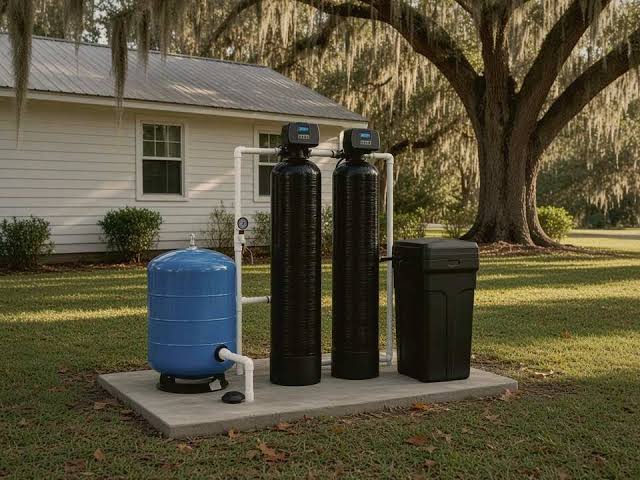
Depending on your water quality results, suitable technologies may include specialized iron removal equipment, oxidation-based filtration, sediment filters, or conventional water softeners.
Imagine washing white clothes without constantly worrying about orange stains or taking a shower without being distracted by an unpleasant sulfur odor. Appropriately selected equipment may help address the water conditions responsible for these frustrations.
However, improving water appearance and smell doesn’t automatically establish drinking water safety.
Laboratory testing remains essential when concerns involve microorganisms, nitrates, or other potentially harmful contaminants.
Understanding your groundwater conditions before purchasing equipment helps ensure that each treatment stage serves a meaningful purpose.
Discover Dependable Treatment Solutions for Residential and Commercial Properties
Water quality requirements vary considerably between family homes and commercial establishments. While homeowners depend on water for cooking, bathing, and cleaning, businesses often require consistent water conditions to support equipment and daily operations.
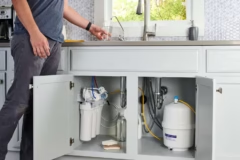
Investing in reliable well water treatment for florida homes & businesses allows property owners to explore customized solutions based on groundwater characteristics, consumption patterns, peak demand, and long-term maintenance requirements.
For residential properties, suitable treatment may help reduce staining, improve certain water taste characteristics, and minimize future mineral accumulation inside appliances.
Commercial establishments often have more demanding treatment requirements.
Consider a restaurant that uses well water for food preparation, dishwashing, and beverage equipment. Excessive minerals or suspended particles could contribute to maintenance difficulties, while inadequate treatment capacity might interfere with normal operations.
Similarly, laundries, hospitality businesses, and other commercial facilities may benefit from specialized treatment arrangements designed around their operational needs.
When comparing equipment, property owners should consider:
- Incoming water quality and measured contaminant concentrations.
- Daily water consumption and peak flow requirements.
- Available installation space and drainage arrangements.
- Filtration capacity and independently verified performance.
- Routine maintenance and replacement media expenses.
- Applicable drinking water and commercial operating requirements.
Professional equipment sizing helps ensure that treatment systems can accommodate normal water demand without unnecessary flow restrictions.
The right arrangement should balance treatment effectiveness with manageable operating costs and convenient servicing.
Understand the Responsibilities of Maintaining Your Own Well
Having an independent groundwater supply means taking an active role in monitoring its quality. Unlike municipal water customers, private well owners are generally responsible for arranging their own testing and maintaining appropriate treatment equipment.
Understanding the characteristics of private well water helps property owners recognize potential concerns and make informed decisions about treatment, maintenance, and ongoing monitoring.
Groundwater conditions may change over time due to environmental influences, well deterioration, flooding, or other nearby activities.
Even neighboring properties can experience different water conditions because of variations in well depth, construction, and surrounding geology.
This explains why purchasing the same treatment system as your neighbor doesn’t necessarily guarantee comparable results.
Routine laboratory testing is particularly important because some potentially harmful contaminants cannot be identified through taste, smell, or appearance.
Property owners should follow applicable public health recommendations for testing bacteria, nitrates, and other relevant substances.
Additional testing may be appropriate following flooding, well repairs, or unexpected changes in water quality.
Keeping previous laboratory reports also provides a useful reference point when evaluating changes over time.
A proactive approach to well maintenance helps property owners identify potential problems and determine whether existing treatment equipment continues meeting its intended objectives.
Recognize the Warning Signs of Well Water Problems
Water quality concerns often become noticeable through small but persistent changes around your property.
Reddish-brown stains, metallic tastes, cloudy water, unpleasant sulfur odors, and excessive mineral deposits are all reasons to investigate your supply.
Reduced water flow may also indicate sediment accumulation or problems involving well equipment and plumbing.
However, these symptoms don’t always reveal the underlying cause.
For instance, a rotten-egg smell appearing exclusively in hot water could originate within the water heater rather than the groundwater supply itself.
Professional evaluation can help distinguish between treatment requirements and plumbing or equipment problems.
Choose Complementary Technologies for More Effective Treatment
A single filtration system cannot necessarily address every groundwater concern.
Sediment filters capture suspended particles, while specialized oxidation and filtration equipment may address certain iron and sulfur-related problems.
Traditional water softeners reduce hardness minerals, and reverse osmosis systems can provide additional reduction of selected dissolved substances in drinking water.
Appropriate disinfection may also be necessary when microbiological contamination is identified.
Combining suitable technologies can provide more targeted treatment, but unnecessary equipment may increase ownership expenses.
Reliable testing should guide every treatment decision.
Protect Your Well Water Treatment Investment Through Regular Maintenance
Even professionally installed treatment equipment requires consistent attention.
Replace filtration cartridges, service specialized media, replenish softener salt, and maintain disinfection equipment where applicable according to manufacturer recommendations.
Monitor changes in water pressure, staining, taste, and odor.
Periodic follow-up testing can help verify treatment effectiveness, while organized maintenance records make servicing requirements easier to anticipate.
Regular care is particularly valuable for businesses that depend on dependable water supplies throughout their operating hours.
Enjoy Better Well Water Across Northeast Florida
Managing an independent water supply doesn’t have to mean constantly dealing with unpleasant odors, stubborn stains, or recurring equipment maintenance problems.
Consider contacting Tri-County Water Specialists to discuss your groundwater conditions and explore personalized treatment recommendations.
With reliable testing, thoughtful equipment selection, professional installation, and consistent maintenance, property owners can address many common groundwater challenges.
Ultimately, investing in appropriate well water treatment is about protecting valuable equipment, simplifying everyday responsibilities, and maintaining a dependable water supply that supports your home or business for years to come.