Have you ever noticed white spots on your glasses even after they’ve come out of the dishwasher? Maybe your bathroom taps develop a chalky film every few days, your soap never seems to lather properly, or your skin feels unusually dry after a shower. These everyday frustrations can be signs of hard water.
Hard water is common in many households, and while it isn’t usually considered a health concern simply because of its mineral content, it can create practical problems around the home. Over time, mineral deposits may build up inside plumbing fixtures, affect water-using appliances, and make routine cleaning feel like a never-ending chore.
The good news is that understanding your water quality makes it easier to find a solution. With the right information, homeowners can decide whether a softening system makes sense, compare available options, and invest in equipment that suits their household rather than paying for features they don’t need.
What Makes Water Hard in the First Place?
Water becomes hard when it contains elevated levels of dissolved minerals, particularly calcium and magnesium. These minerals often enter groundwater as it moves through limestone, chalk, and other mineral-rich geological formations. Depending on where you live, your water supply may naturally contain more of them than that of a nearby town.
Hardness isn’t always obvious when you turn on the tap. The water may look perfectly clear and have no noticeable smell. The signs tend to appear gradually, through stubborn soap scum, mineral rings around fixtures, and deposits on showerheads.
You might also notice that laundry feels stiff or that your water heater develops scale over time. Mineral buildup can reduce heating efficiency in some appliances and increase maintenance needs, particularly when water hardness is high.
These problems don’t automatically mean every home needs treatment. The first step is understanding how hard the water actually is and whether the effects justify installing a system.
How Water Softeners Help Around the Home
For households dealing with persistent hardness, water softeners can offer a practical way to reduce calcium and magnesium in the water supply. Most conventional systems use an ion-exchange process in which hardness minerals are exchanged for sodium or, in some systems, potassium ions.
The water passes through a resin bed that captures calcium and magnesium. When the resin becomes saturated, the unit regenerates using a salt solution, flushing the collected minerals away so the system can continue working.
For homeowners, the benefits can be noticeable. Soap and shampoo may lather more easily, mineral spotting can decrease, and cleaning showers and taps may become less time-consuming. Properly softened water can also help reduce scale accumulation in compatible plumbing systems and appliances.
Still, there are a few things worth considering. Salt-based softeners require periodic salt replenishment and appropriate drainage for regeneration. They also add sodium to the treated water, with the amount depending partly on the incoming hardness. People who need to restrict sodium intake should discuss drinking-water arrangements with a healthcare professional and consider whether a separate drinking-water treatment option is appropriate.
A softener doesn’t remove every possible contaminant. It isn’t a substitute for disinfection or a dedicated filtration system when the concern involves bacteria, lead, pesticides, or other specific substances.
Why Water Testing Should Come Before Buying Equipment
It’s tempting to purchase a system after reading a few reviews or hearing a neighbour praise their new installation. However, water conditions vary, even between nearby properties. A little testing can prevent an expensive mismatch.
Professional free water testing may help homeowners understand their water’s hardness and identify whether further analysis is needed. Depending on the provider and test method, an initial assessment may measure hardness, pH, iron, chlorine, or other characteristics.
Before scheduling an appointment, ask what the test includes. Some basic assessments focus mainly on hardness, while more comprehensive laboratory testing may be needed to investigate specific contaminants. A free screening should not automatically be treated as a complete safety assessment.
For homes using private wells, testing is especially important because water quality can change over time and may be affected by local groundwater conditions, nearby land use, or problems with the well itself. Public water supplies are generally monitored under applicable regulations, but homeowners may still want additional testing for concerns specific to their property.
Ask for the results in writing, including units of measurement and an explanation of what the numbers mean. If a result suggests a potential health concern, use an appropriately accredited laboratory and follow local public-health guidance.
Comparing Water Softening Systems Without the Guesswork
Once you understand your water quality, it’s easier to narrow down your options. A useful water softener comparison should look beyond the purchase price and consider household demand, operating costs, maintenance, and installation requirements.
Traditional salt-based systems are often suitable when the main goal is removing hardness minerals. They are available in different capacities, so selecting the right size matters. A system that’s too small may regenerate frequently, while an unnecessarily large unit can increase upfront costs.
Salt-free water conditioners work differently. Many use technologies intended to change how hardness minerals behave, reducing their tendency to form certain types of scale. However, they generally do not remove calcium and magnesium from the water, so they shouldn’t be considered equivalent to conventional softeners.
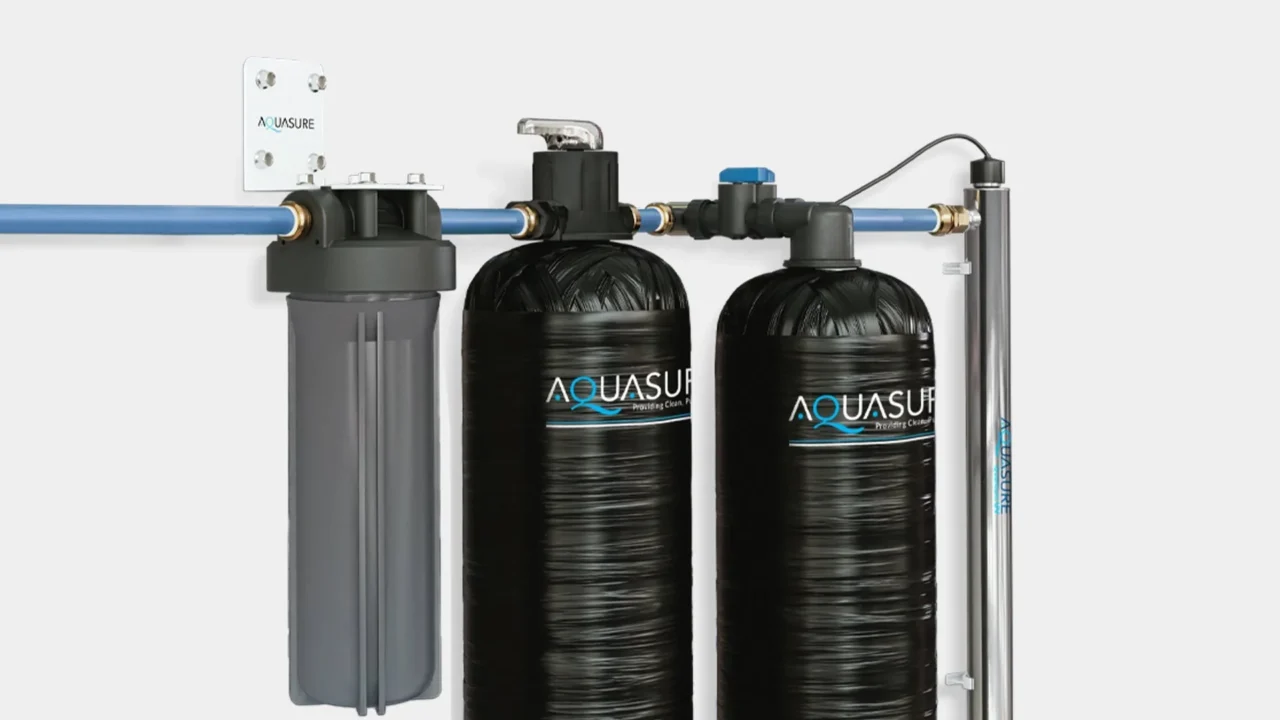
Dual-tank systems may suit larger households or situations requiring a continuous supply of softened water during regeneration. Compact systems can be attractive where installation space is limited. The best option depends on actual water usage, peak demand, incoming hardness, and the manufacturer’s specifications.
When reviewing products, ask how capacity is calculated, how regeneration is controlled, and whether the system has certifications relevant to its claimed performance. Independent certification can help verify specific claims, but the exact standard and scope still matter.
Understanding Installation and Long-Term Costs
The equipment price is only one part of the investment. Installation may involve plumbing modifications, electrical access, a suitable drain connection, and space for both the unit and any salt storage. Older homes can present additional challenges if pipes or valves need attention.
Operating costs vary according to system design and local conditions. Salt, water used during regeneration, routine servicing, and replacement components should all be considered. Some modern systems adjust regeneration based on measured water use, potentially reducing unnecessary cycles compared with less efficient approaches.
Before approving an installation, request a written breakdown of equipment, labour, additional materials, and any ongoing service charges. Check the warranty terms and ask which maintenance tasks you can handle yourself.
A reputable installer should explain why a particular capacity or model is recommended. Be cautious of anyone who insists that every household needs the same equipment or uses vague claims about removing every possible contaminant.
Keeping Your System Working Properly
Even a good system needs occasional attention. For a salt-based softener, check salt levels as recommended by the manufacturer and use the type of salt specified for the unit. Periodically inspect the area for leaks, unusual noises, or signs of poor performance.
If water begins showing signs of hardness again, possible causes include depleted salt, incorrect settings, a problem with the resin bed, or a change in the incoming water supply. A service professional can help identify the issue rather than replacing equipment unnecessarily.
It’s also sensible to review your water quality if your source changes or if you notice new problems. Well owners should maintain an appropriate testing schedule based on local guidance and potential risks.
Making a Decision That Fits Your Home
Hard water can be irritating, but choosing a treatment system doesn’t have to be complicated. Start with the symptoms you’re experiencing, confirm the water’s hardness, and decide which improvements matter most to your household.
Compare equipment based on performance, capacity, maintenance, and total cost instead of relying on marketing claims alone. If drinking-water quality is also a concern, arrange appropriate testing and consider separate treatment for any identified contaminants.
Ultimately, the right solution is the one that addresses a real problem and fits the way you use water every day. A little research at the beginning can save money, reduce unnecessary maintenance, and make ordinary household tasks feel easier for years to come.