Water is part of nearly everything we do at home. We use it to make coffee in the morning, wash dishes after dinner, take a shower before work, and keep our gardens alive through the warmer months. Because it’s so familiar, it’s easy to overlook its quality until something changes. Maybe the water tastes different, mineral deposits keep appearing on faucets, or a glass straight from the tap no longer seems quite as appealing as it once did.
Finding the right answer isn’t always as simple as buying a filter. Different homes have different water sources, plumbing systems, and treatment needs. What works well for one household may be unnecessary for another. That’s why good advice, clear communication, and a genuine understanding of the problem matter just as much as the equipment itself.
Start With the Problem, Not the Product
When people notice a water issue, their first instinct is often to search for a product that promises to fix it. A quick online search can produce dozens of options, all claiming to deliver cleaner, fresher, or better-tasting water. Comparing them can become confusing surprisingly quickly.
A better approach is to begin with a few straightforward questions. Does the water have an unusual taste or smell? Are there white mineral deposits around taps and showerheads? Is the concern related to drinking water, the entire plumbing system, or a private well? Understanding these details helps narrow down the possible causes.
Water testing can be especially useful because many problems look similar on the surface but require different treatment methods. Hard water, for example, contains elevated levels of calcium and magnesium. A softener may help reduce scale buildup, but it isn’t designed to address every contaminant that might affect drinking water.
Likewise, a carbon filter may improve taste and odor, yet it shouldn’t automatically be assumed to remove bacteria or every dissolved substance. The right recommendation depends on the actual water quality and the performance of the treatment technology being considered.
This is where honest recommendations make a real difference. A knowledgeable provider should explain what the test results mean, identify the available options, and be willing to say when a simple solution is enough. Customers shouldn’t feel pressured to purchase a complicated system when a smaller, more suitable improvement could address their concerns.
Why Clear Communication Builds Confidence
Water treatment can involve unfamiliar terms, technical specifications, installation requirements, and ongoing maintenance. For someone encountering these details for the first time, the process can feel overwhelming. A good service provider makes it easier to understand rather than adding another layer of confusion.
That starts with listening. Before suggesting equipment, a professional should ask about the household’s water use, the problems people have noticed, and their expectations. A family concerned about drinking water may need a different approach from a household dealing with scale throughout its plumbing system.
Clear explanations should include both benefits and limitations. If a system requires regular filter changes, customers should know that before installation. If a technology wastes some water during operation or needs additional maintenance, those details deserve attention too.
Pricing should be equally straightforward. A quote is more useful when it explains what the customer is paying for, including equipment, installation, and any additional work that may be necessary. Understanding potential future costs helps people make decisions that fit their budgets.
Nobody expects every technical detail to be explained in a single conversation. What matters is having the opportunity to ask questions without feeling rushed or embarrassed. Good communication gives customers the confidence to make decisions based on information rather than pressure.
Service Matters Long After Installation
Installing a water treatment system is an important step, but it isn’t the end of the relationship. Filters need replacing, components can wear out, and water conditions may change. Even a high-quality system requires some attention if it is to continue performing as intended.
That’s why exceptional service should include more than arriving on time and completing the initial installation. It should also involve explaining how the equipment works, showing customers which maintenance tasks they can handle themselves, and providing clear guidance about when professional attention is needed.
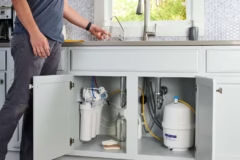
For example, a homeowner with an under-sink filtration system should know which cartridges need replacing and how often, based on the manufacturer’s recommendations and actual usage. Someone with a water softener should understand how to check salt levels if their particular system requires salt. These simple details can prevent avoidable performance problems.
Responsive support matters when something goes wrong. If water flow suddenly decreases or a system begins leaking, customers need practical guidance about what to do next. A reliable provider should explain the likely next steps and help arrange appropriate service when needed.
Follow-up can be valuable as well. Checking that equipment is operating properly, answering questions after installation, and reminding customers about relevant maintenance can turn a one-time transaction into a lasting relationship.
Choosing Equipment That Fits Your Home
No single water treatment system is suitable for every situation. The right choice depends on the source water, the substances that need to be reduced, the household’s water consumption, and the available installation space.
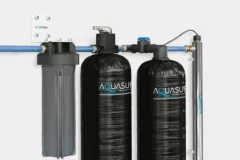
A sediment filter may help capture particles such as sand or rust. Activated carbon can reduce chlorine and improve certain taste and odor concerns. A water softener addresses hardness, while reverse osmosis can reduce many dissolved substances when the system is designed and certified for those specific purposes.
In some homes, one treatment stage is enough. In others, a combination of technologies may be appropriate. A private well with several water quality concerns, for instance, could require a different treatment plan from a municipal supply that mainly has an unpleasant chlorine taste.
The important thing is to avoid assuming that more equipment automatically means better water. Every additional component brings its own purchase price, installation needs, and maintenance requirements.
Ask providers to explain why a particular system is being recommended. Look for performance data and relevant independent certifications, and make sure claims about contaminant reduction match the concerns identified through testing. If the explanation is vague, taking time to compare alternatives is sensible.
Building Long-Term Value, Not Just Making a Sale
A water treatment purchase should make everyday life easier, not introduce a stream of unexpected expenses. Looking beyond the initial price can help households understand the real cost of ownership.
Consider replacement cartridges, salt, electricity, servicing, and the expected lifespan of important components. Ask whether supplies are easy to obtain and whether the equipment can be serviced locally. A system with a slightly higher purchase price may offer better long-term value if it is reliable, practical to maintain, and suited to the home’s actual needs.
It’s also worth thinking about future changes. A growing family may use more water than a couple living in the same house today. Renovations, a new appliance, or a change in water source could affect treatment requirements. Equipment doesn’t need to be oversized for every possible scenario, but it should be selected with reasonable consideration for household needs.
Ultimately, water solutions you can trust are those supported by sound information, suitable technology, transparent costs, and dependable follow-up. Trust grows when the equipment performs as expected and the provider remains available to help after the sale.
Better Water Begins With a Better Conversation
Choosing a water treatment system doesn’t have to be complicated. Start by understanding the problem, arrange appropriate testing when needed, and compare solutions based on their proven capabilities rather than their marketing promises.
Look for professionals who listen carefully, explain their recommendations clearly, and respect your budget. Make sure you understand maintenance requirements before committing to a purchase, and don’t hesitate to ask questions if something isn’t clear.
The best outcome isn’t necessarily the most expensive system or the latest technology. It’s a practical solution that addresses your household’s needs and continues to work reliably over time.
When good information and dependable service guide the decision, water treatment becomes less about navigating a confusing list of products and more about making a thoughtful investment in everyday comfort, confidence, and peace of mind.