Most homeowners remember the day they installed their water treatment system. There’s excitement, relief, and the simple satisfaction of knowing the water flowing through the house will taste better, smell cleaner, and be kinder to appliances. After that, though, the system quietly slips into the background. It does its job every day, and because everything seems to be working, it’s easy to forget it’s even there.
That quiet reliability is exactly why maintenance often gets overlooked.
The truth is, even the best filtration equipment isn’t designed to run forever without attention. Water constantly moves through filters, valves, tanks, and plumbing connections. Minerals accumulate, cartridges slowly lose efficiency, and small mechanical parts experience wear over time. None of this happens dramatically. It happens little by little, almost unnoticed.
Giving your system regular care isn’t just about preventing problems. It’s about protecting something that supports your home every single day.
Water Treatment Is a Long-Term Investment
Installing a filtration system isn’t a short-term purchase. Most homeowners expect it to provide dependable performance for many years, and in most cases, it can.
The key difference between systems that last and those that struggle often comes down to ongoing care.
Like a heating system, an air conditioner, or even a family vehicle, water treatment equipment performs best when small issues are addressed before they become expensive repairs. Ignoring maintenance may not create immediate problems, but eventually even minor wear begins affecting performance.
The good news is that most maintenance is simple when done consistently.
Why Small Checks Matter So Much
Many water system issues begin quietly.
A filter slowly becomes restricted. Water pressure changes just enough that nobody notices at first. A valve begins wearing out, or mineral deposits gradually reduce efficiency inside the equipment.
These aren’t dramatic failures.
They’re the kind of changes that become visible only after they’ve been developing for months. That’s why regular system inspections are so valuable. They allow technicians to identify early warning signs before homeowners experience poor water quality, leaks, or equipment failure.
Finding a loose fitting today is far easier than repairing water damage tomorrow.
Clean Water Depends on Consistency
One of the biggest misconceptions about filtration equipment is that if water still looks clean, everything must be working perfectly.
Unfortunately, appearance doesn’t tell the whole story.
Filter media gradually loses effectiveness. Water chemistry can shift over time due to seasonal changes, groundwater conditions, or municipal treatment adjustments. Components may continue operating while delivering lower performance than originally intended.
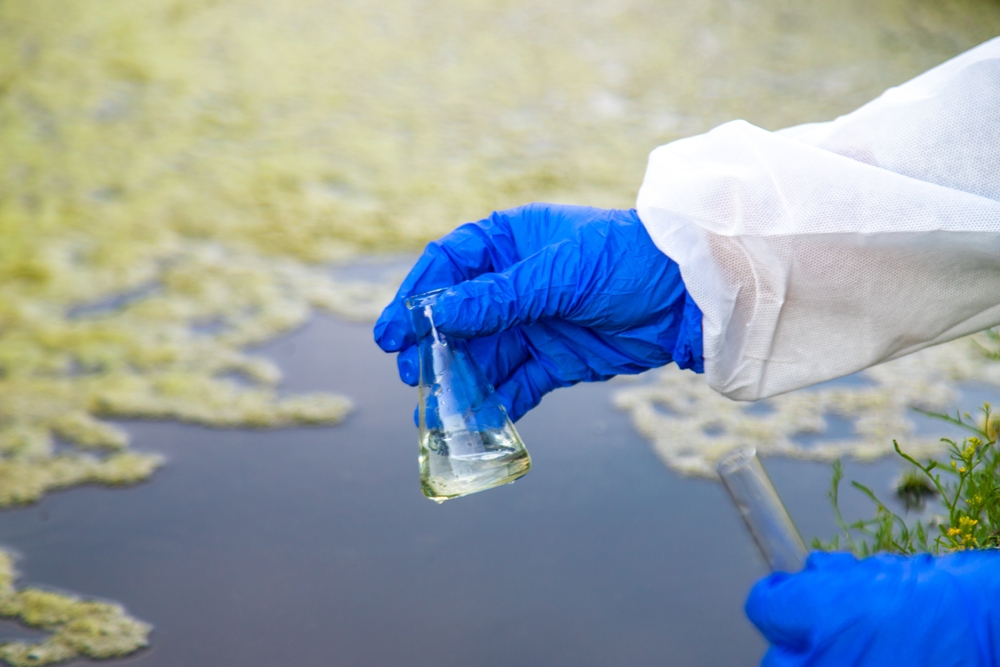
Regular testing and routine maintenance help confirm that filtration systems continue performing exactly as designed instead of simply appearing functional.
That distinction matters more than most people realise.
Different Homes Require Different Maintenance
No two households use water in exactly the same way.
A family with four children naturally places greater demand on filtration equipment than a retired couple. Homes supplied by private wells often require different maintenance schedules than municipal water systems.
Even local climate can influence maintenance needs.
For that reason, maintenance schedules should reflect how the system is actually being used rather than following a generic timeline.
Tailoring service intervals to real-world conditions helps extend equipment life while maintaining consistent water quality.
Maintenance Protects More Than Drinking Water
When people think about water treatment, drinking water usually comes to mind first.
Yet water flows through nearly every corner of the home.
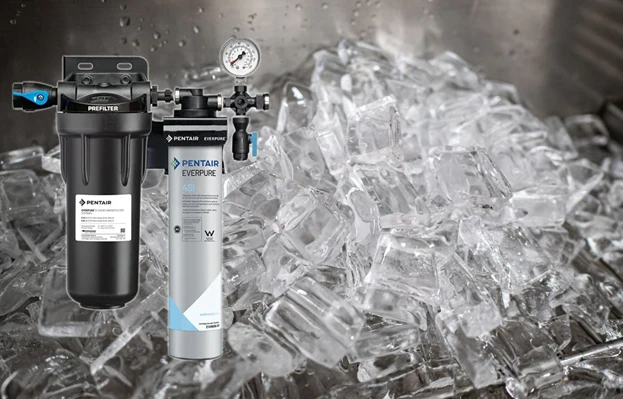
It fills washing machines, water heaters, dishwashers, refrigerators, showers, humidifiers, coffee makers, and ice machines. As filtration performance declines, those appliances often experience the effects before homeowners notice changes in drinking water.
Mineral buildup, sediment accumulation, and inefficient operation gradually increase wear on expensive household equipment.
Keeping your filtration system healthy helps protect everything connected to it.
Don’t Wait Until Something Breaks
There’s a natural tendency to postpone maintenance while everything seems to be working.
After all, why fix something that isn’t broken?
The challenge is that water treatment systems rarely fail without warning. Instead, efficiency slowly declines, maintenance costs gradually increase, and eventually a relatively small issue develops into a much larger repair.
Preventive care almost always costs less than emergency service.
It also eliminates the inconvenience of unexpected water interruptions that tend to happen at the least convenient moments.
Experience Makes Maintenance Easier
While homeowners can handle certain routine tasks themselves, some inspections benefit from trained professionals.
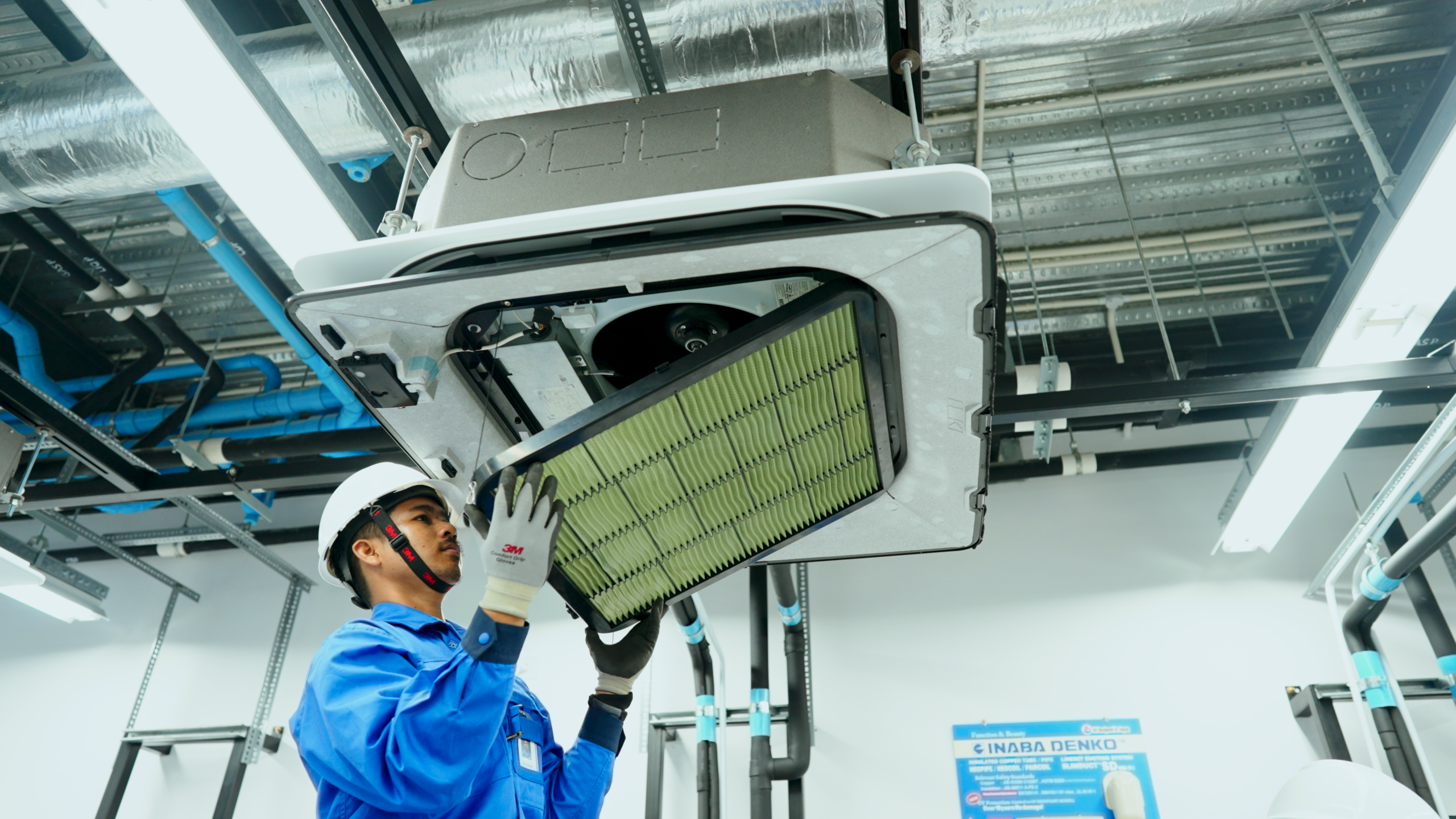
Experienced technicians understand how filtration equipment should perform under normal operating conditions. They evaluate water pressure, inspect valves, test water quality, verify programming, examine plumbing connections, and identify subtle wear long before serious failures occur.
That kind of expert support provides confidence that every part of the system continues operating as intended.
Sometimes the greatest benefit isn’t discovering a problem—it’s confirming there isn’t one.
Water Conditions Can Change Over Time
Many homeowners assume their water stays exactly the same year after year.
In reality, water quality naturally changes.
Heavy rainfall, drought conditions, municipal infrastructure upgrades, seasonal groundwater movement, nearby construction, and environmental changes can all influence the water entering a property.
A filtration system installed several years ago may still function correctly, but periodic testing ensures it continues matching current water conditions rather than relying on outdated assumptions.
Water treatment isn’t static because water itself isn’t static.
Caring for Your System Is Caring for Your Home
Routine maintenance doesn’t simply protect filtration equipment.
It supports the entire home.
Well-maintained systems often improve appliance efficiency, reduce plumbing scale, minimise repair costs, and help maintain consistent water quality throughout the house. Better water also means fewer cleaning frustrations, improved soap performance, and greater confidence every time someone fills a glass from the kitchen tap.
Those everyday improvements are easy to overlook because they become part of normal life.
Ironically, that’s exactly what good maintenance is supposed to do.
Reliable Water Begins With Consistent Care
Every water treatment system eventually needs attention. Filters wear out. Components age. Water conditions evolve. None of these things are unusual—they’re simply part of owning equipment that works hard every day.
The difference lies in how those changes are managed.
Regular inspections, timely servicing, thoughtful maintenance, and professional guidance help extend system life while protecting the investment you’ve already made. More importantly, they ensure your family continues enjoying clean, dependable water without unexpected interruptions or expensive surprises.
In the end, a water treatment system isn’t defined only by the technology inside it. It’s defined by the care it receives over the years. Give it the attention it deserves, and it will quietly return the favour every single day—one clean glass of water at a time.