Water is something we use constantly, yet we rarely stop to think about what it takes to keep that water clean and dependable. We fill glasses, wash food, take showers, run dishwashers, and operate equipment without giving much thought to what’s happening behind the scenes.
But water quality isn’t identical everywhere. A home’s water can have very different characteristics from the water used by a restaurant, office, hotel, or industrial facility. Hardness, sediment, minerals, taste, odors, and other concerns can all affect how water performs.
That’s why good water treatment isn’t about choosing the most expensive system on the market. It’s about understanding the water, knowing what needs attention, and selecting a practical solution that fits the property.
Why Water Safety Deserves Attention
Water may look perfectly clear while still containing substances that aren’t visible to the naked eye. This is one reason relying solely on appearance isn’t enough when evaluating water quality.
For households using municipal water, treatment and monitoring generally happen before water reaches the property. Private well owners, however, have greater responsibility for testing and understanding their own supply.
Businesses have additional considerations because water may be used for food preparation, cleaning, employee facilities, production, or specialized equipment.
Following appropriate health and safety standards is therefore an important part of responsible water management. Testing, proper treatment, regular maintenance, and good installation practices all contribute to a safer and more reliable water supply.
Start With Testing Instead of Guessing
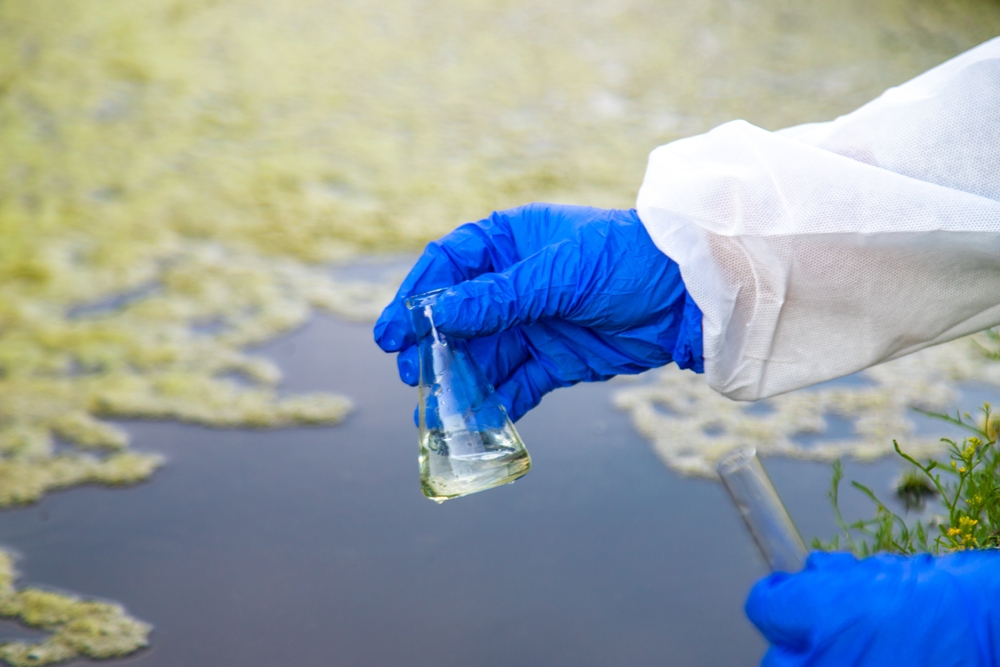
One of the smartest steps before installing treatment equipment is to test the water. It sounds obvious, but people sometimes buy equipment based on a friend’s recommendation or an online advertisement without knowing whether the system addresses their actual problem.
A water test can provide information about hardness, pH, dissolved minerals, sediment, chlorine, and other characteristics. The exact testing needed depends on the water source and the concerns involved.
For private wells, periodic testing can be especially valuable because groundwater conditions can change. Heavy rainfall, flooding, nearby land use, or other environmental changes may affect the water.
Testing doesn’t necessarily mean something is wrong. It’s simply a way to replace assumptions with useful information.
Not Every Property Needs the Same System
One of the biggest mistakes in water treatment is assuming that one solution should work for everyone.
A small family home might primarily need help with hard water and unpleasant taste. A restaurant may need to protect ice machines, coffee equipment, dishwashers, and cooking processes. An industrial facility could have highly specific requirements based on its operations.
This is where customized solutions become valuable. Instead of forcing every property into the same treatment package, a customized approach considers the water source, usage levels, available space, equipment requirements, and specific contaminants or minerals that need attention.
It may sound like more work at the beginning, but the result can be a system that performs better and costs less to operate over time.
Understanding Common Water Quality Problems
Water quality can be affected by many different factors. Hard water, for example, contains elevated levels of minerals such as calcium and magnesium. These can create scale on faucets, shower doors, water heaters, and appliances.
Sediment is another concern. Sand, rust, and other particles can enter water supplies and potentially affect plumbing fixtures or treatment equipment.
Then there are taste and odor issues. Chlorine may be noticeable in some municipal supplies, while private well water can develop unusual smells or tastes for various reasons.
These different water quality challenges require different approaches. A softener isn’t designed to solve every problem, and a basic carbon filter isn’t a universal answer either.
The treatment technology should match the issue.
Filtration, Softening, and Purification
Once testing identifies the problem, the next step is choosing the appropriate treatment method.
Sediment filters can capture physical particles. Activated carbon is commonly used to improve taste and reduce chlorine. Water softeners address hardness, while reverse osmosis systems can reduce many dissolved substances.
Some properties may require a combination of technologies. For example, a whole-home system might include sediment and carbon filtration along with water softening, while a kitchen could have an additional drinking-water system.
The goal isn’t to make water unnecessarily complicated. It’s to use enough treatment to solve the actual problem.
Installation Matters More Than People Think
Even excellent equipment can perform poorly if it isn’t installed correctly. Flow rates, plumbing connections, pressure, drainage, electrical requirements, and system settings all need to be considered.
A professional installer can also identify problems that aren’t obvious to the average homeowner. Perhaps the available space isn’t suitable, or the home’s water pressure doesn’t match the requirements of the equipment.
Proper installation also makes future maintenance easier. Filters should be accessible, valves should be clearly arranged, and the system should be set up so technicians can service it without turning the utility room upside down.
Maintenance Keeps Water Treatment Reliable
Installing a treatment system is not the finish line. It’s the beginning of an ongoing routine.
Filters need to be replaced when their service life ends. Softener components may require attention, and more advanced treatment equipment can have membranes or other parts that need periodic replacement.
A neglected system may gradually lose effectiveness. In some cases, restricted water flow or unusual taste can be early signs that maintenance is overdue.
Keeping a simple maintenance record can help. Write down when filters were replaced, when the system was serviced, and any unusual changes you notice. It’s not exciting, but it’s practical.
Think Beyond the Initial Price
Cost is obviously part of the decision, but the cheapest system isn’t always the least expensive option in the long run.
Consider installation, replacement filters, maintenance, electricity, water consumption, service calls, and expected equipment life. A slightly higher-quality system may provide better value if it lasts longer and requires less frequent attention.
Businesses should also consider downtime. If poor water quality damages equipment or interrupts operations, the cost can go far beyond the treatment system itself.
Better Water Starts With Better Decisions
Water treatment doesn’t have to be mysterious. The process becomes much simpler when you take it one step at a time.
Test the water. Identify the actual problem. Consider how the property uses water. Choose treatment technology that matches those needs. Then install and maintain the system properly.
There won’t always be a single perfect answer, and that’s okay. Good water treatment is about making sensible decisions based on real conditions rather than chasing complicated technology for its own sake.
When everything is working properly, a good treatment system becomes almost invisible. The water tastes right, equipment performs as expected, and everyday routines continue without much thought. That’s really the point—a dependable water system should make life easier, not give you another problem to manage.